

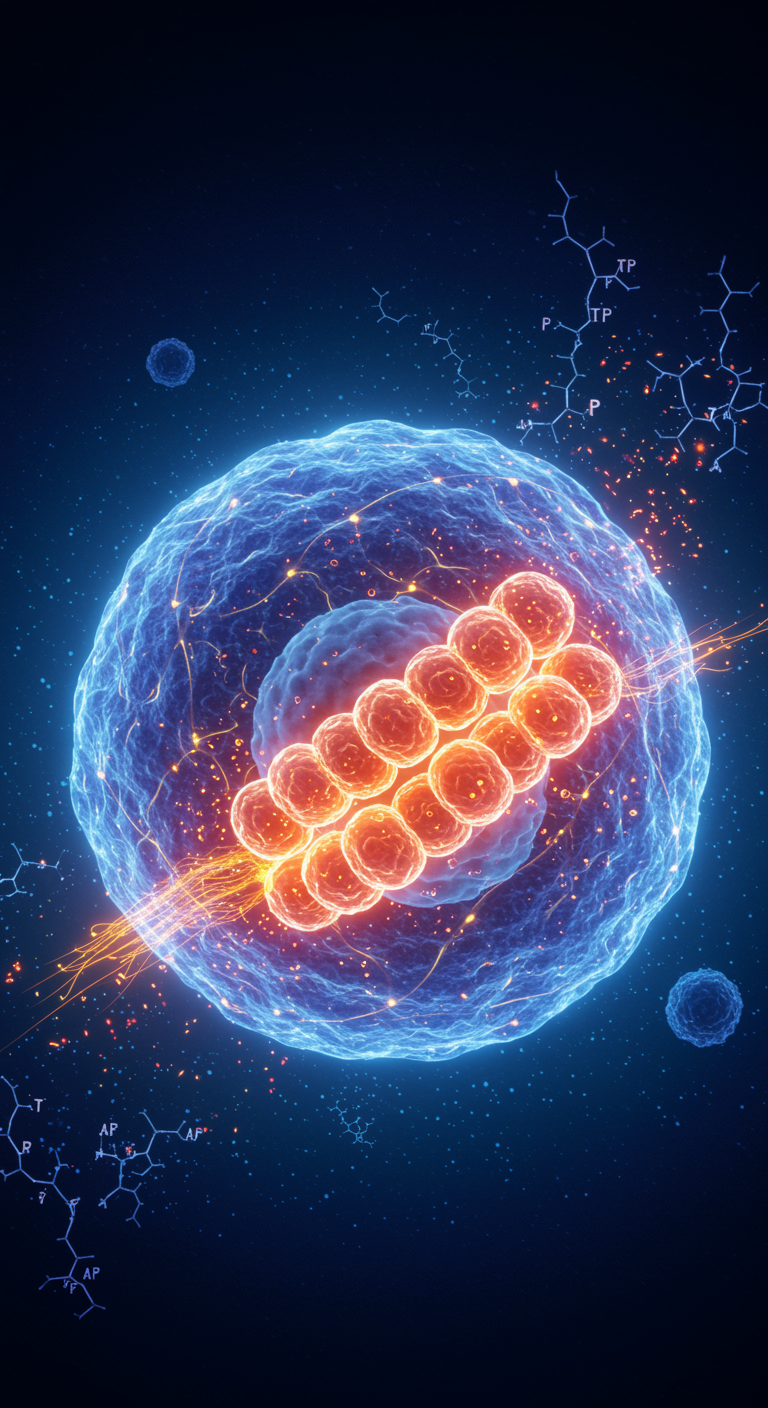
How Cells Harvest Energy (2014)
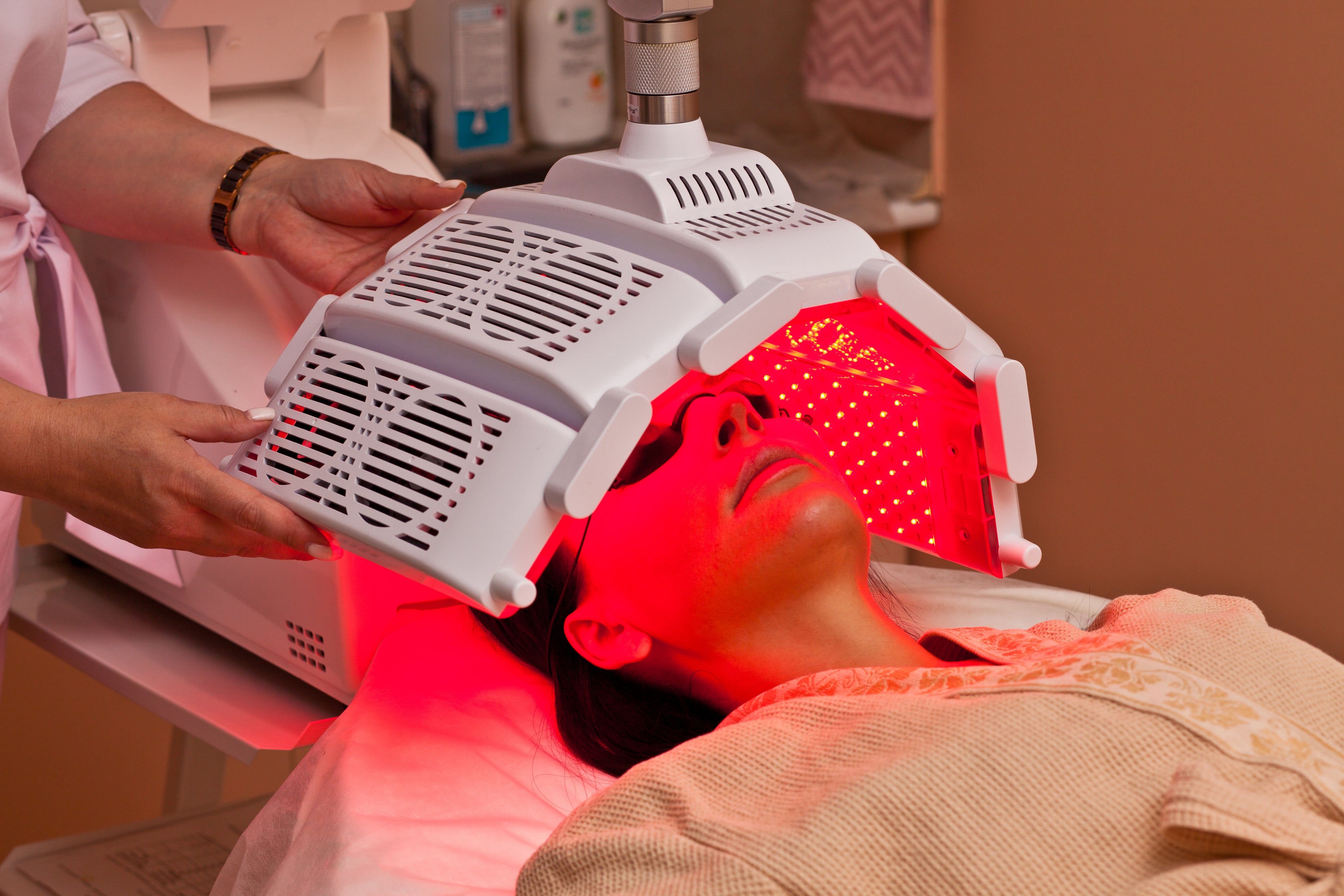
Research shows that light therapy can both benefit the look of skin and heal the underlying issue that is causing the condition. When red and near infrared light is absorbed by the skin, it stimulates new skin cells to grow in a healthier way, provides protection against damage, and helps heal a variety of skin problems.
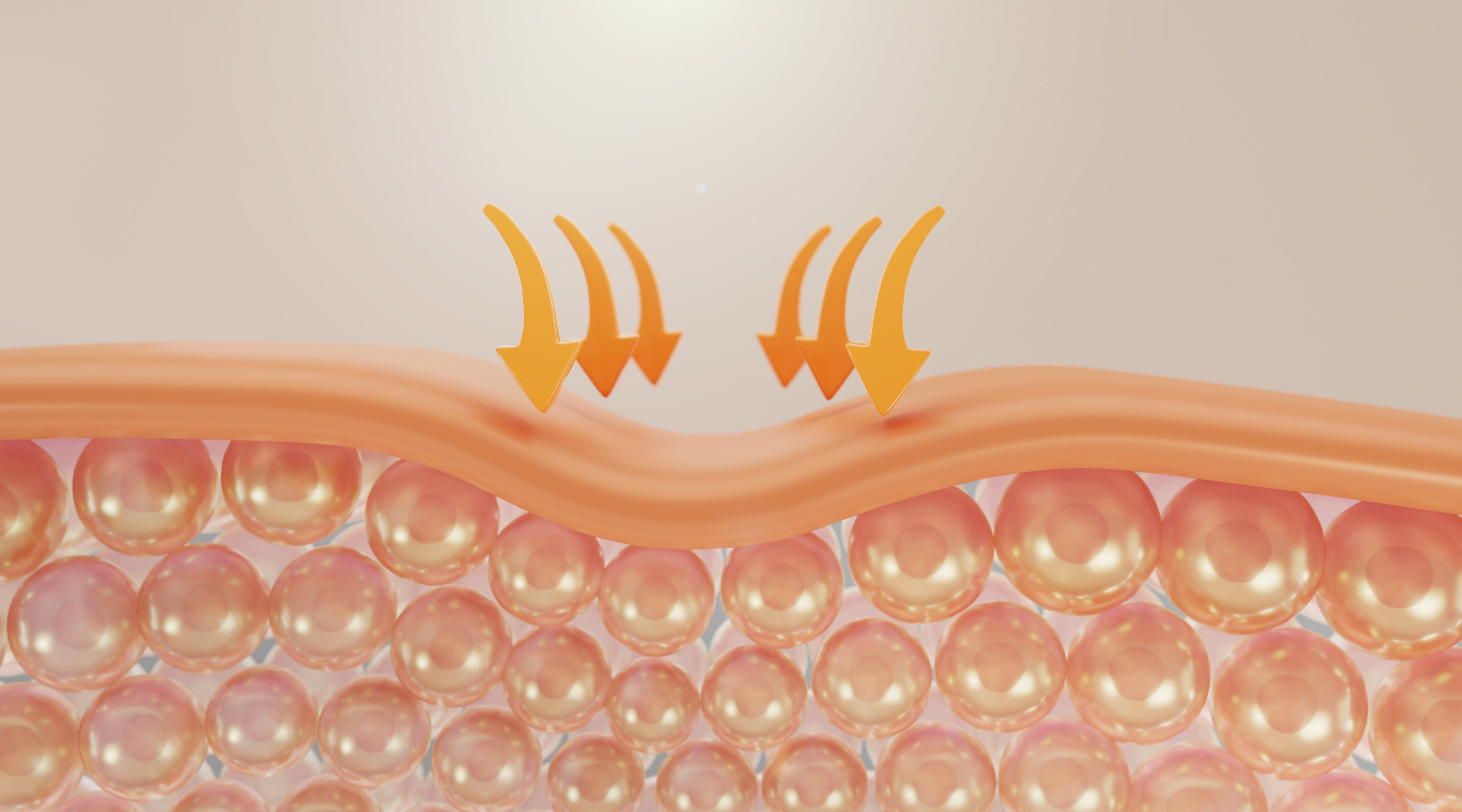
Low-level laser (light) therapy (LLLT) in skin: stimulating, healing, restoring
Not surprisingly, there’s a robust amount of clinical research that has demonstrated specific benefits of light therapy related to the skin. An extensive meta analysis in a 2013 issue of Seminars in Cutaneous Medicine and Surgery evaluated many ways in which light therapy can be used for the skin, some of which are outlined in the proceeding paragraphs.
Specific to anti-aging, this meta-analysis discussed numerous studies showing that LED light therapy can actually reduce and counteract signs of aging in the skin. Red and near infrared light has been shown to boost collagen, smooth wrinkles, enhance tone, as well as a host of other benefits. Also of note, while light therapy boosted positive skin results, it also reduced an enzyme that contributes to skin damage

A Controlled Trial to Determine the Efficacy of Red and Near-Infrared Light Treatment in Patient Satisfaction, Reduction of Fine Lines, Wrinkles, Skin Roughness, and Intradermal Collagen Density Increase
2014 controlled trial in Photomedicine and Laser Surgery also backed up the use of red and near infrared light therapy to treat skin aging. The treatment boosted collagen and participants experienced a better look and feel in their skin, which was supported by photographs. Overall, researchers found light therapy to be safe and effective.
Regarding acne, the same 2013 meta-analysis we mentioned before highlighted studies finding red and near infrared light to be effective for the treatment of acne. Of note, it explained that red light impacts sebum production, which contributes to acne, in addition to the control of cytokines, which impacts skin inflammation.
The meta-analysis also showed that light therapy resolved psoriasis in patients that were not helped by traditional treatments, improved pigmentation in patients with vitiligo disorder, and reduced episode of herpes. It also boosted healing and improved scars and burns. Overall, the authors of the meta-analysis noted that light therapy could be used for many skin concerns because of its wide range of positive results. It was particularly effective for healing and skin regeneration, as well as reducing inflammation and cellular necrosis.

The use of light-emitting diode therapy in the treatment of photoaged skin
Light-emitting diode (LED) therapy is an increasingly popular methodology for the treatment of sun damage. Combination use of light wavelengths reported to stimulate collagen synthesis and accelerate fibroblast-myofibroblast transformation may display a composite rejuvenative effect.
With the objective to clinically assess reduction in sun damage signs following a 5-week course of LED therapy and to assess subject's perception of the treatment.
Thirteen subjects with wrinkles or fine lines in the periorbital and nasolabial region and those presenting Glogau scale photodamage grade II-III received nine 20-min duration light treatments using the Omnilux LED system. The treatments combined wavelengths of 633 and 830 nm at fluences of 126 and 66 J/cm(2), respectively. Sun-damage reduction was assessed at 6, 9, and 12 weeks by clinical photography and patient satisfaction scores.
The majority of subjects displayed "moderate" (50%) or "slight" (25%) response to treatment at investigator assessment. Treatment of the periorbital region was reported more effective than the nasolabial region. At 12-week follow-up, 91% of subjects reported improved skin tone, and 82% reported enhanced smoothness of skin in the treatment area.
J Cosmet Dermatol. 2007 Sep;6(3):189-94
A prospective, randomized, placebo-controlled, double-blinded, and split-face clinical study on LED phototherapy for skin rejuvenation: clinical, profilometric, histologic, ultrastructural, and biochemical evaluations and comparison of three different treatment settings
The study investigated the clinical efficacy of LED phototherapy for skin rejuvenation through the comparison of three different treatment parameters and a control, and also examined the LED-induced histological, ultrastructural, and biochemical changes.
Seventy-six patients with facial wrinkles were treated with quasimonochromatic LED devices on the right half of their faces. All subjects were randomly divided into four groups treated with either 830nm alone, 633nm alone, a combination of 830 and 633nm, or a sham treatment light, twice a week for four weeks. Serial photography, profilometry, and objective measurements of the skin elasticity and melanin were performed during the treatment period with a three-month follow-up period. The subject’s and investigator’s assessments were double-blinded. Skin specimens were evaluated for the histologic and ultrastructural changes, alteration in the status of matrix metalloproteinases (MMPs) and their tissue inhibitors (TIMPs), and the changes in the mRNA levels of IL-1ss, TNF-alpha, ICAM-1, IL-6 and connexin 43 (Cx43), by utilizing specific stains, TEM, immunohistochemistry, and real-time RT-PCR, respectively.
Objectively measured data showed significant reductions of wrinkles (maximum: 36%) and increases of skin elasticity (maximum: 19%) compared to baseline on the treated face in the three treatment groups. Histologically, a marked increase in the amount of collagen and elastic fibers in all treatment groups was observed. Ultrastructural examination demonstrated highly activated fibroblasts, surrounded by abundant elastic and collagen fibers. Immunohistochemistry showed an increase of TIMP-1 and 2. RT-PCR results showed the mRNA levels of IL-1ss, TNF-alpha, ICAM-1, and Cx43 increased after LED phototherapy whereas that of IL-6 decreased.
This therapy was well-tolerated by all patients with no adverse effects. We concluded that 830 and 633nm LED phototherapy is an effective approach for skin rejuvenation.
J Photochem Photobiol B. 2007 Jul 27;88(1):51-67. Epub 2007 May 1
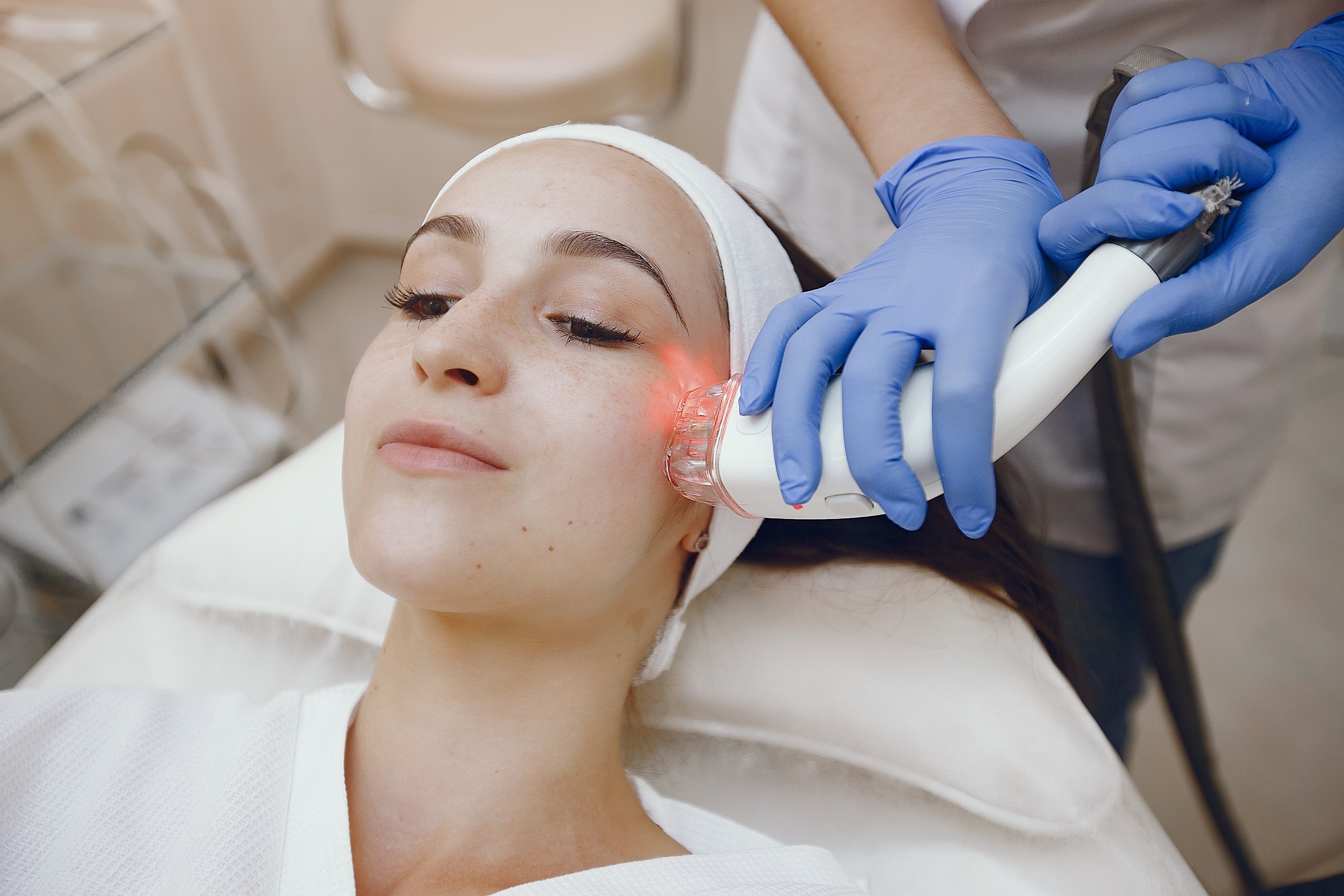
Clinical experience with light-emitting diode (LED) photomodulation
Light-emitting diode (LED) photomodulation is a novel nonthermal technology used to modulate cellular activity with light.
We describe our experience over the last 2 years using 590 nm LED photomodulation within a dermatologic surgery environment.
Practical use of nonthermal light energy and emerging applications in 3,500 treatments delivered to 900 patients is detailed.
LED photomodulation has been used alone for skin rejuvenation in over 300 patients but has been effective in augmentation of results in 600 patients receiving concomitant nonablative thermal and vascular treatments such as intense pulsed light, pulsed dye laser, KTP and infrared lasers, radiofrequency energy, and ablative lasers.
LED photomodulation reverses signs of photoaging using a new nonthermal mechanism. The anti-inflammatory component of LED in combination with the cell regulatory component helps improve the outcome of other thermal-based rejuvenation treatments.
Dermatol Surg. 2005 Sep;31(9 Pt 2):1199-205
LED photoprevention: reduced MED response following multiple LED exposures
As photoprotection with traditional sunscreen presents some limitations, the use of non-traditional treatments to increase skin resistance to ultraviolet (UV) induced damage would prove particularly appealing.
The purpose of this pilot study was to test the potential of non-thermal pulsed light-emitting diode (LED) treatments (660 nm) prior to UV exposure in the induction of a state of cellular resistance against UV-induced erythema.
Thirteen healthy subjects and two patients with polymorphous light eruption (PLE) were exposed to 5, 6, or 10 LED treatments (660 nm) on an experimental anterior thigh region. Individual baseline minimal erythema doses (MED) were then determined. UV radiation was thereafter performed on the LED experimental and contrl anterior thigh areas. Finally, 24 hours post-UV irradiation, LED pre-treated MED responses were compared to the non-treated sites.
Reduction of erythema was considered significant when erythema was reduced by >50% on the LED-treated side as opposed to the control side. A significant LED treatment reduction in UV-B induced erythema reaction was observed in at least one occasion in 85% of subjects, including patients suffering from PLE. Moreover, there was evidence of a dose-related pattern in results. Finally, a sun protection factor SPF-15-like effect and a reduction in post-inflammatory hyperpigmentation were observed on the LED pre-treated side.
Results suggest that LED based therapy prior to UV exposure provided significant protection against UV-B induced erythema. The induction of cellular resistance to UV insults may possibly be explained by the induction of a state a natural resistance to the skin via specific cell signaling pathways and without the drawbacks and limitations of traditional sunscreens. These results represent an encouraging step towards expanding the potential applications of LED therapy and could be useful in the treatment of patients with anomalous reactions to sunlight.
Lasers Surg Med. 2008 Feb;40(2):106-12. doi: 10.1002/lsm.20615
A Controlled Trial to Determine the Efficacy of Red and Near-Infrared Light Treatment in Patient Satisfaction, Reduction of Fine Lines, Wrinkles, Skin Roughness, and Intradermal Collagen Density Increase
For non-thermal photorejuvenation, laser and LED light sources have been demonstrated to be safe and effective. However, lasers and LEDs may offer some disadvantages because of dot-shaped (punctiform) emission characteristics and their narrow spectral bandwidths. Because the action spectra for tissue regeneration and repair consist of more than one wavelength, we investigated if it is favorable to apply a polychromatic spectrum covering a broader spectral region for skin rejuvenation and repair
OBJECTIVE: The purpose of this study was to investigate the safety and efficacy of two novel light sources for large area and full body application, providing polychromatic, non-thermal photobiomodulation (PBM) for improving skin feeling and appearance.
METHODS: A total of 136 volunteers participated in this prospective, randomized, and controlled study. Of these volunteers, 113 subjects randomly assigned into four treatment groups were treated twice a week with either 611–650 or 570–850 nm polychromatic light (normalized to ∼9 J/cm2 in the range of 611–650 nm) and were compared with controls (n=23). Irradiances and treatment durations varied in all treatment groups. The data collected at baseline and after 30 sessions included blinded evaluations of clinical photography, ultrasonographic collagen density measurements, computerized digital profilometry, and an assessment of patient satisfaction.
RESULTS:The treated subjects experienced significantly improved skin complexion and skin feeling, profilometrically assessed skin roughness, and ultrasonographically measured collagen density. The blinded clinical evaluation of photographs confirmed significant improvement in the intervention groups compared with the control.
CONCLUSION: Broadband polychromatic PBM showed no advantage over the red-light-only spectrum. However, both novel light sources that have not been previously used for PBM have demonstrated efficacy and safety for skin rejuvenation and intradermal collagen increase when compared with controls.
Photomed Laser Surg. 2014 Feb 1; 32(2): 93–100.doi: [10.1089/pho.2013.3616]

The Efficacy and Safety of 660 nm and 411 to 777 nm Light-Emitting Devices for Treating Wrinkles.
The use of visible or near infrared spectral light alone for the purpose of skin rejuvenation has been previously reported. A method of light emitting diode (LED) photo rejuvenation incorporating a combination of these wavelengths and thus compounding their distinct stimulation of cellular components is proposed.Objective. To assess the efficacy and local tolerability of combination light therapy in photo rejuvenation of facial skin.
METHODS: Thirty-one subjects with facial rhytids received nine light therapy treatments using the Omnilux LED system. The treatments combined wavelengths of 633 nm and 830 nm with fluences of 126 J/cm(2) and 66 J/cm(2) respectively. Improvements to the skin surface were evaluated at weeks 9 and 12 by profilometry performed on periorbital casts. Additional outcome measures included assessments of clinical photography and patient satisfaction scores.
RESULTS: Key profilometry results Sq, Sa, Sp and St showed significant differences at week 12 follow-up; 52% of subjects showed a 25%-50% improvement in photoaging scores by week 12; 81% of subjects reported a significant improvement in periorbital wrinkles on completion of follow-up.
CONCLUSION: Omnilux combination red and near infrared LED therapy represents an effective and acceptable method of photo rejuvenation. Further study to optimize the parameters of treatment is required.
J Cosmet Laser Ther. 2005 Dec;7(3-4):196-200.