

The Science Behind Red & Infrared Light Therapy
Red and infrared light go beyond surface beauty. Backed by decades of research, these wavelengths are used to energize cells, stimulate collagen, support healing, and improve skin tone—without needles, heat, or downtime.
What Is Red and Infrared Light Therapy?
A Legacy of Light, Backed by Science
Red and infrared light therapy—also known as photobiomodulation—has a surprisingly rich history. It earned a Nobel Prize as far back as 1903 and has been used in medical settings worldwide for decades.
Today, it's FDA-approved for everything from joint pain and wound healing to wrinkles and acne. Around the globe, clinicians continue to explore its role in improving circulation, skin vitality, and even immune support.
Simply put: this is not a trend. It’s trusted tech with real roots.
A Brief History of Red & Infrared Light Therapy
Not New—Just Newly Discovered (by the public)
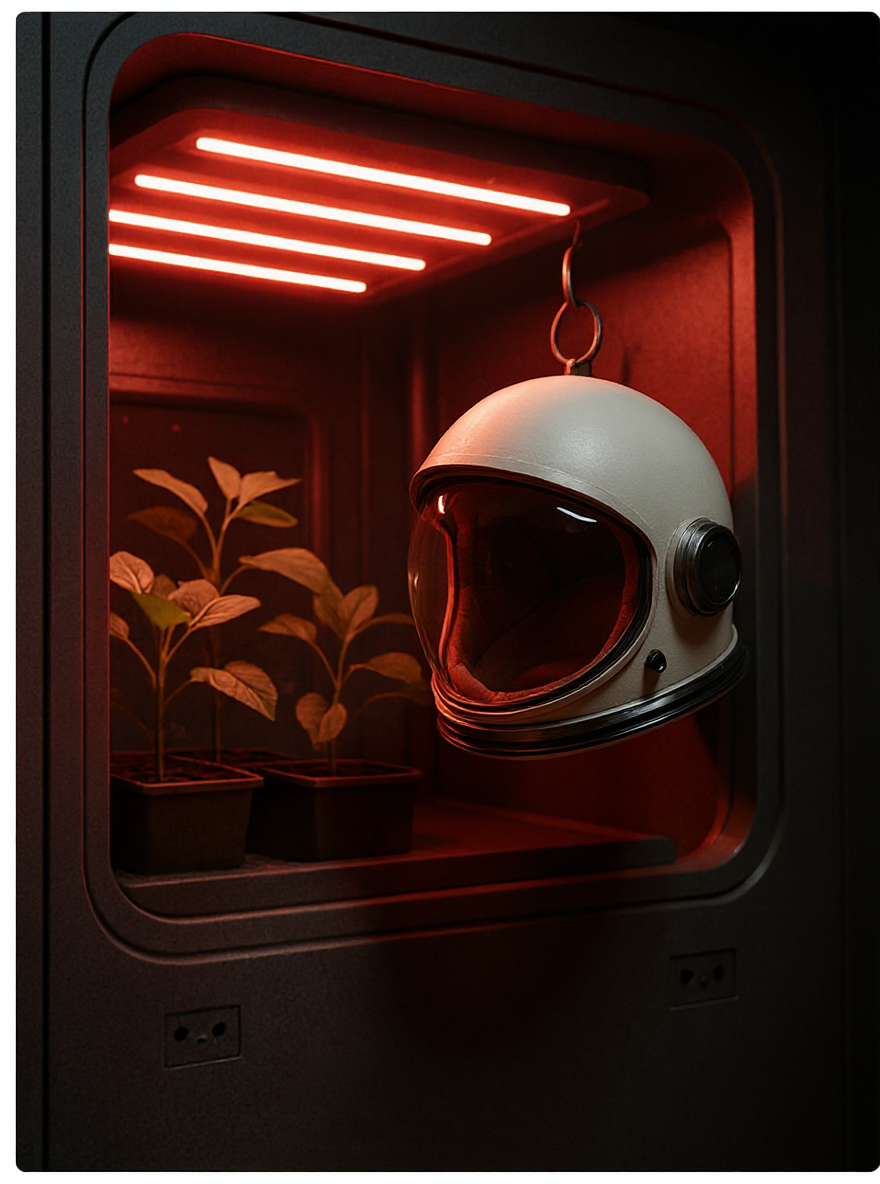
Red light therapy might seem like the latest trend, but it’s been quietly making waves in science for decades. Known as photobiomodulation, this technology got its start with NASA, who used red LEDs to grow plants in space—and noticed, by surprise, that it helped heal human skin, too.
Since then, researchers across the globe have explored how red and near-infrared light supports cellular health, energy production, and skin renewal—without side effects or damage.
Call it low-level light therapy, cold laser, or biostimulation—it all comes down to this: light, used smartly, can help your body do what it does best. Heal, glow, and thrive.
How Red and Infrared Light Therapy Works
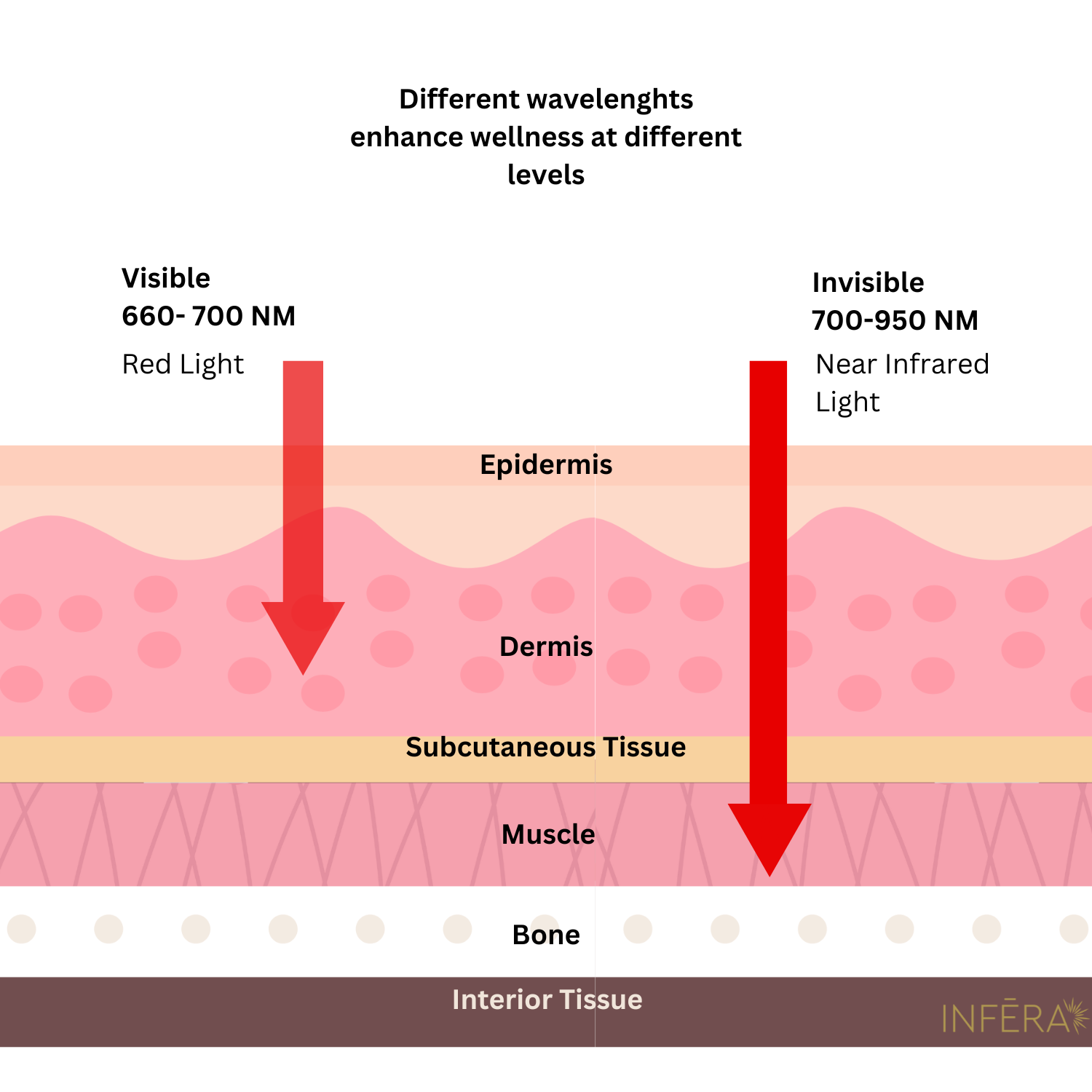
Red and near-infrared light do something simple—but powerful: they reach beneath the skin’s surface to support your cells where they need it most.
Instead of forcing a response like heat-based treatments or lasers, this light encourages your body’s natural processes—enhancing circulation, recharging low-energy cells, and supporting recovery from the inside out.
No harsh sensations. No drama. Just a quiet push in the right direction.
The Collagen Connection
Collagen is the most abundant protein in your body—and one of the first to decline as we age.
Red light therapy helps restore your skin’s youthful bounce by reactivating collagen production at a cellular level. Think of it as giving your skin’s support system a reboot—from the inside out.
Over time, this natural collagen boost helps
And the best part? Your body makes it all—red light just flips the switch.
The Energy Your Cells Run On
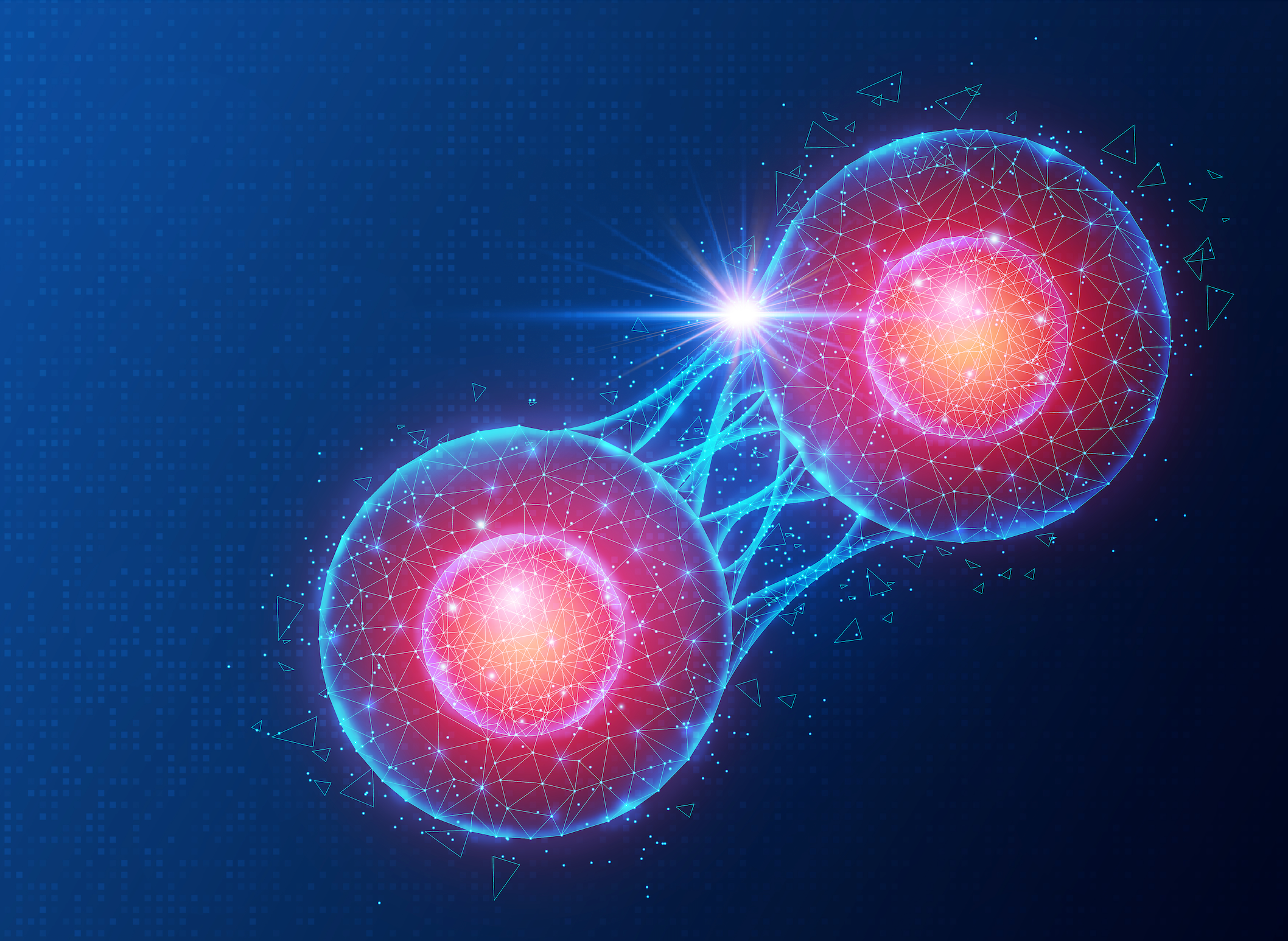
Every cell in your body runs on ATP—tiny molecules that act like fuel. When your cells make enough ATP, your body feels energized, balanced, and ready to repair itself.
Red and infrared light support this process by helping your cells produce ATP more efficiently—especially during the final step called oxidative phosphorylation. It’s a subtle shift at the cellular level that can have a ripple effect on how your skin, muscles, and body feel over time.
In short? More light = better cell energy = a more vibrant you.
What Happens When Cells Get Stuck?
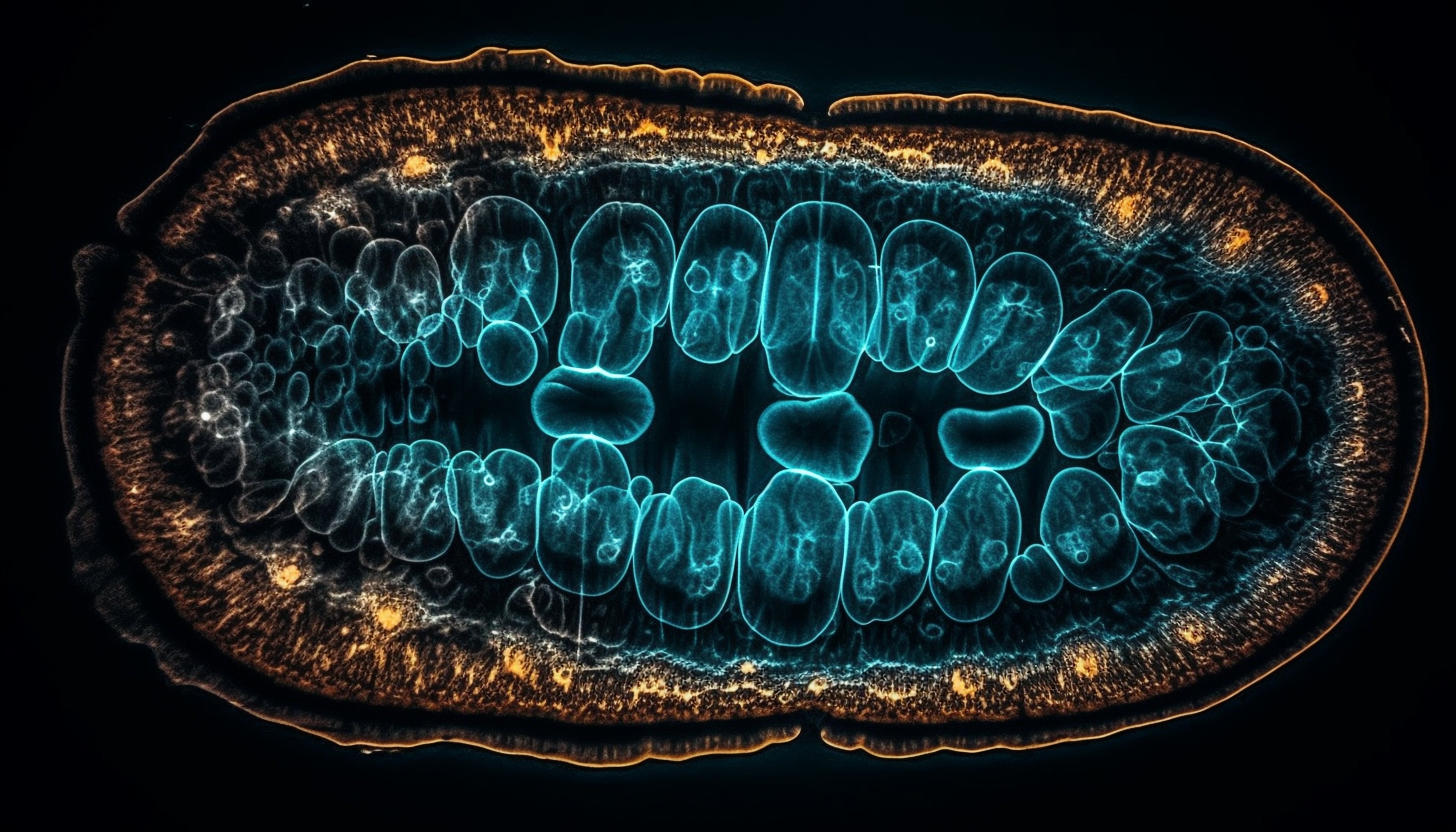
When your cells are stressed—by aging, environmental damage, or inflammation—they struggle to make energy (ATP). One key reason? A molecule called nitric oxide gets in the way, blocking the process like a traffic jam at the cellular level.
That’s where red and near-infrared light come in.
These wavelengths help clear the congestion by breaking the bond between nitric oxide and an enzyme called cytochrome c oxidase (CCO). Once the path is clear, your cells can start producing ATP again—restoring their natural rhythm, energy, and function.
💡 Think of it as flipping your cells’ power switch back on.
Light Therapy collection
-
 BLU Blue Light TherapyBLU Blue Light Therapy
- Regular price
-
$6,400.00 - Regular price
-
- Sale price
-
$6,400.00


