


In the world of skincare, non-invasive solutions are gaining traction for those seeking clearer, more even-toned complexions without downtime or harsh chemicals. Among these innovations, Red Light Therapy (RLT) has emerged as a scientifically backed method to reduce the appearance of acne scars and hyperpigmentation.
Once limited to clinical dermatology offices, this treatment is now widely accessible through at-home devices. But how exactly does RLT work on a cellular level, and how effective is it for those battling the lingering marks of acne and uneven pigmentation? Let’s explore the research, mechanisms, and real-world outcomes behind this growing trend.

Understanding Red Light Therapy: The Basics
Red Light Therapy works by exposing the skin to low wavelengths of red or near-infrared light, usually between 600–850 nanometers. These wavelengths penetrate the outer layers of the skin and interact with mitochondria—the energy-producing centers of cells. This interaction boosts adenosine triphosphate (ATP) production, which fuels essential biological processes like cell regeneration, collagen synthesis, and inflammation reduction. This mechanism, known as photobiomodulation, allows the skin to repair itself more efficiently, addressing both textural and tonal issues without damaging the surface layer of the skin
Scientific Evidence Supporting Red Light Therapy’s Effectiveness
Multiple studies support the use of red light therapy for improving skin tone and texture. A comprehensive clinical trial published in Lasers in Surgery and Medicine found that red light significantly enhanced skin complexion and increased intradermal collagen density after just 30 sessions over eight weeks. Participants noted not only fewer fine lines and improved skin tone, but also a substantial reduction in discoloration caused by acne and inflammation (NCBI). Another trial from the American Academy of Dermatology also cited that over 90% of participants using RLT reported improved softness, smoothness, and a decrease in discoloration from hyperpigmented lesions (AAD).
Importantly, RLT is considered safe for all skin tones and types when used properly. This is especially relevant for treating PIH (Post-Inflammatory Hyperpigmentation) in darker skin tones, where traditional treatments like lasers or chemical peels may carry a higher risk of irritation or rebound hyperpigmentation. Unlike those aggressive options, red light therapy provides a gentler alternative with no downtime.
Red Light Therapy and Acne Scar Reduction
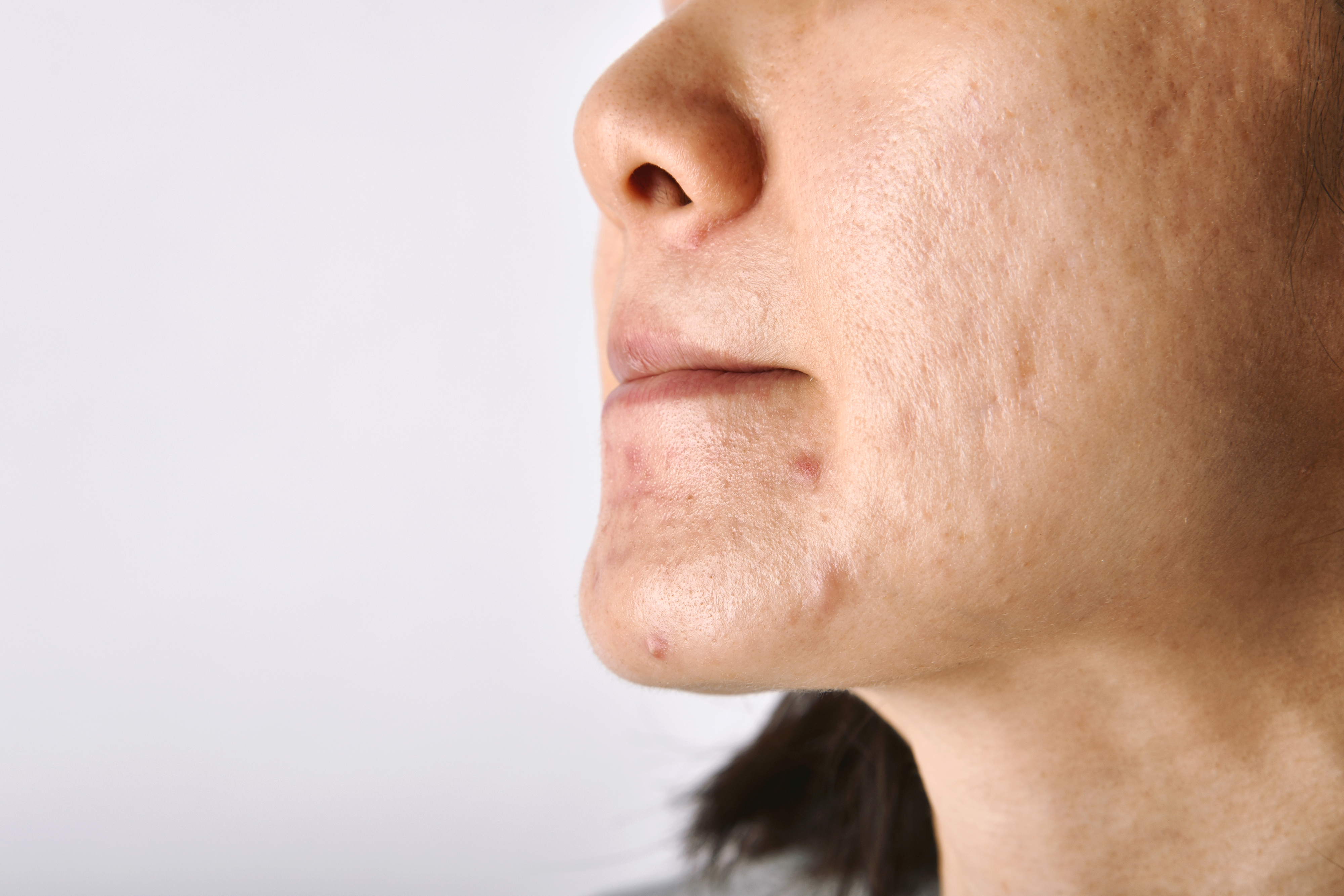
A 2014 study published in the Journal of Clinical and Aesthetic Dermatology found that LED light therapy, including red light wavelengths, significantly improved both acne inflammation and the appearance of residual scarring (NCBI). Additionally, RLT helps modulate inflammation, which is a key driver of scar formation. By decreasing pro-inflammatory cytokines and increasing antioxidant enzyme activity, RLT creates a more favorable environment for skin healing. This reduced inflammation not only minimizes the chance of new scars forming but also helps existing scars fade more quickly by accelerating cell turnover and remodeling damaged tissue.
