


Caring for Your Eye Skin: How Red Light Therapy Revitalizes the Periorbital Area
The periorbital region—the delicate area surrounding the eyes—is among the most expressive and vulnerable parts of the human face. This area includes the eyelids, the under-eye zone, and the skin extending to the brow and temple. It plays a central role not just in facial aesthetics, but also in nonverbal communication, conveying emotions such as joy, fatigue, stress, and aging. Unlike other regions of the face, the periorbital skin is remarkably thin—often less than 0.5 mm thick—and contains fewer sebaceous (oil) glands, making it prone to dryness, irritation, and rapid collagen breakdown. This combination of fragility and exposure means that even minor neglect can quickly lead to visible signs of aging, such as fine lines, puffiness, dark circles, and drooping skin.
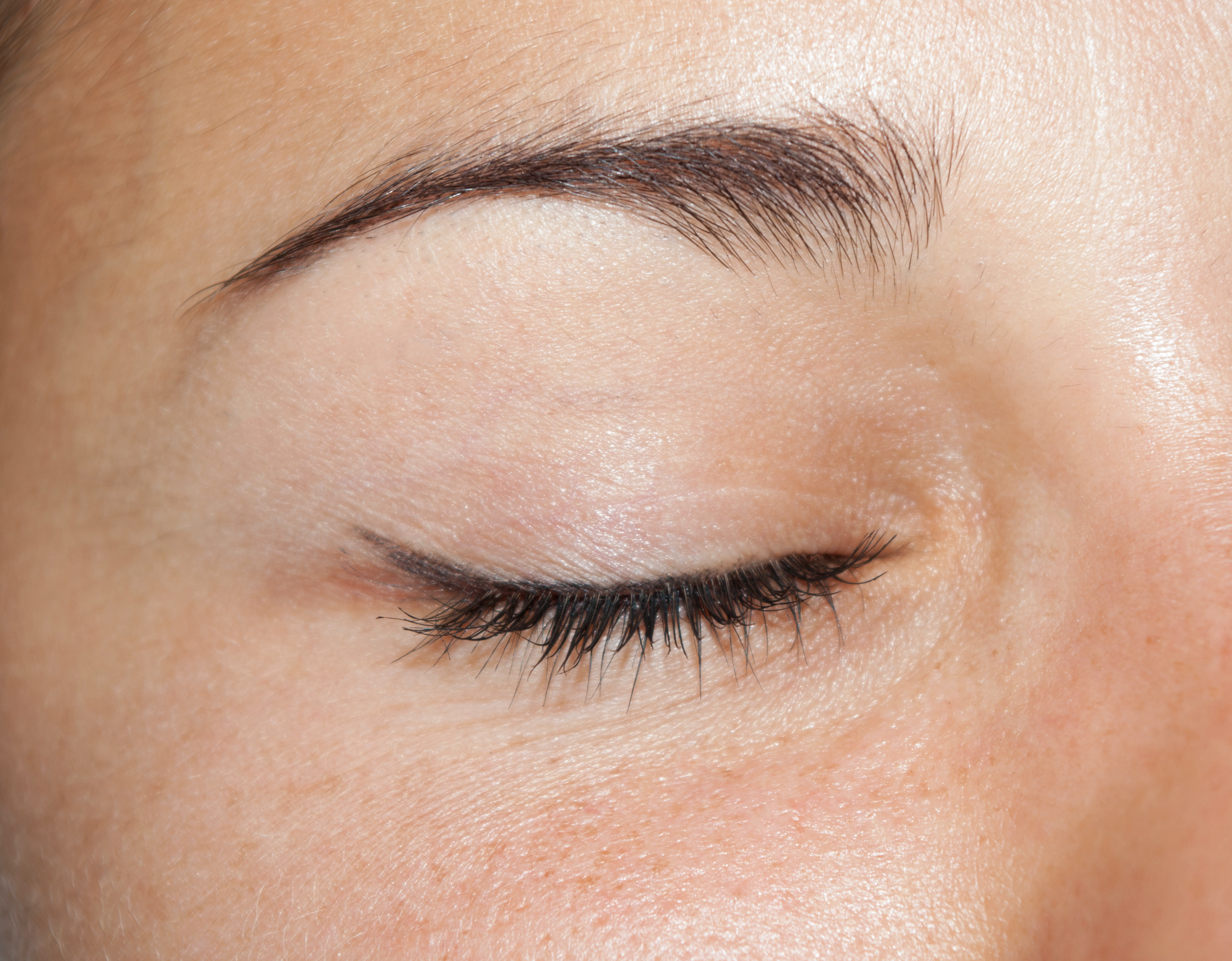
The eye area is in constant motion—blinking, squinting, smiling—further contributing to mechanical stress that accelerates wrinkle formation over time. Environmental stressors such as UV radiation, pollution, and excessive exposure from screens compound the issue, causing oxidative damage and weakening the skin’s support structure. Despite its importance, the periorbital region is frequently overlooked in daily skincare routines, and many treatments designed for the rest of the face may be too harsh for this delicate area. For these reasons, targeted and gentle care is crucial to preserve its youthfulness and vitality. An effective regimen not only enhances the skin’s appearance but also improves overall facial harmony and contributes to a more rested, vibrant look. Neglecting this area can lead to several common complications. Dark circles may develop due to factors like genetics, thinning skin, or vascular changes. Puffiness often results from fluid retention, allergies, or inadequate sleep. Fine lines and wrinkles emerge from repetitive facial movements and collagen loss, while dryness is exacerbated by the area's limited oil glands. These issues not only affect appearance but can also impact one's confidence and overall well-being.
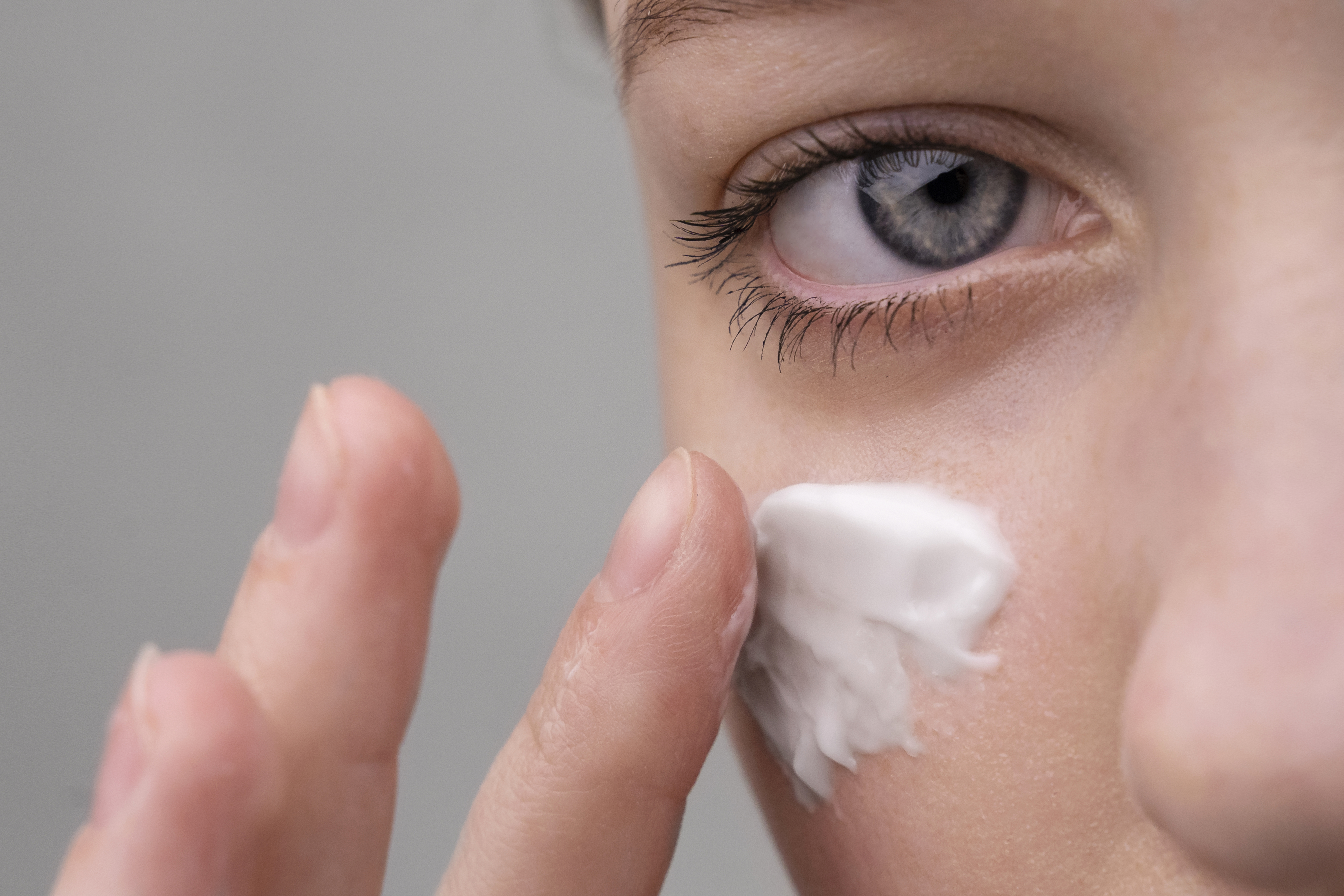
To care for the periorbital region effectively, a consistent, intentional, and gentle skincare routine is paramount. This area requires both topical and lifestyle-based strategies due to its unique anatomical and physiological characteristics. One of the most crucial components is hydration. Because the skin around the eyes lacks the density of oil glands found elsewhere on the face, it is especially prone to dryness and dehydration, which can exaggerate fine lines and make the area appear sunken or fatigued. Incorporating eye creams formulated with humectants like hyaluronic acid helps to attract and retain moisture in the skin, plumping and smoothing the area. Ingredients like peptides aid in firming and rebuilding the skin’s structure, while ceramides help restore the skin’s natural barrier, preventing further moisture loss and shielding against environmental aggressors. Sun protection is equally vital but often neglected around the eyes. Chronic UV exposure is one of the leading causes of premature aging, and since the periorbital skin is so thin, it’s particularly vulnerable to sun-induced collagen breakdown and pigmentation issues such as dark spots or uneven tone. Applying a broad-spectrum SPF—ideally one formulated for sensitive or ocular areas—can drastically reduce the risk of long-term sun damage. When applying any skincare product around the eyes, technique matters just as much as the ingredients. The ring finger is recommended for application because it naturally applies the least pressure, reducing the risk of tugging or stretching this fragile area. Gentle tapping motions, rather than rubbing, can ensure product absorption without irritation. Beyond topical care, overall lifestyle also plays a critical role. Lack of sleep, high stress levels, dehydration, and poor nutrition all contribute to periorbital concerns such as puffiness, dark circles, and skin laxity. A balanced diet rich in antioxidants, regular hydration, and quality rest help nourish the skin from within, supporting a brighter, firmer, and more rejuvenated eye area.
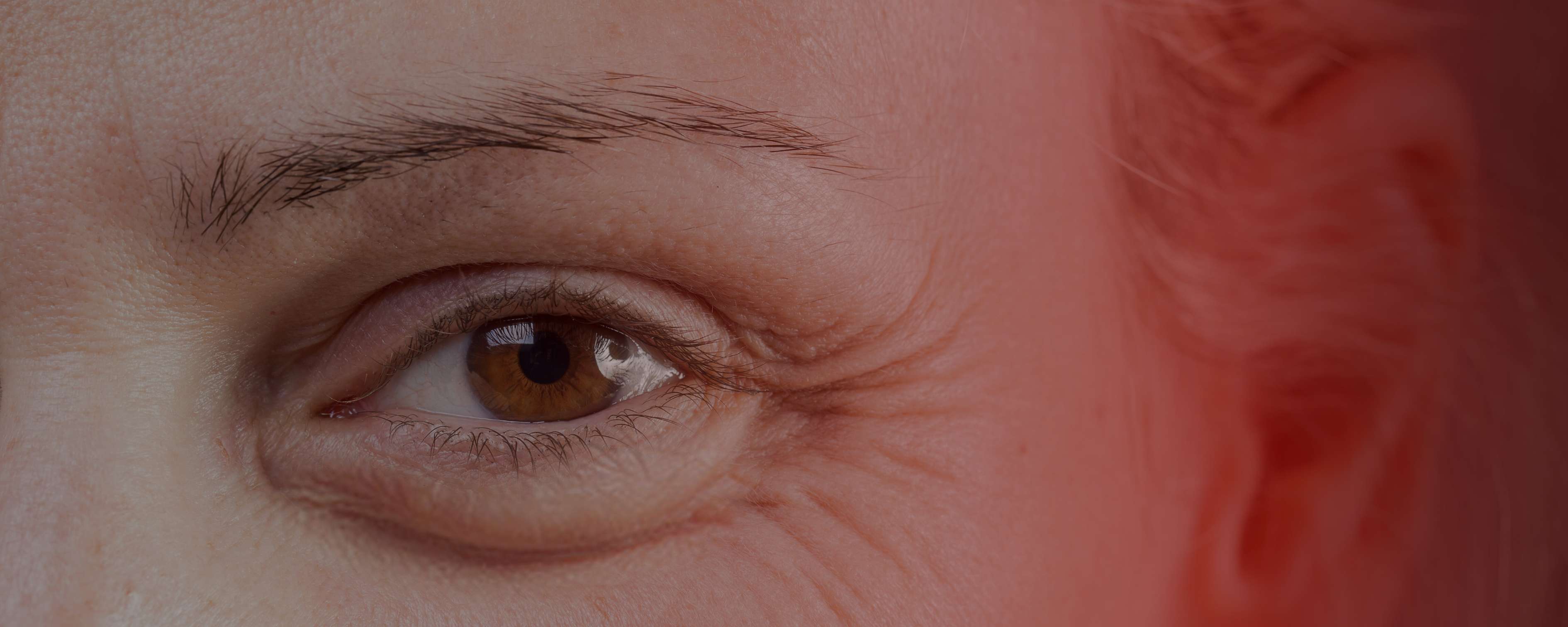
Incorporating red light therapy (RLT), also known as photobiomodulation (PBM), into your skincare regimen can significantly enhance the health and appearance of the periorbital region. RLT involves exposing the skin to low levels of red or near-infrared light, which penetrates the skin to stimulate cellular activity. This stimulation promotes collagen production and increases blood flow, leading to smoother, firmer skin texture. Moreover, RLT has anti-inflammatory properties, reducing cytokines involved in triggering inflammation responses. This can alleviate redness, swelling, and discomfort in the periorbital area. A notable study published in Photobiomodulation, Photomedicine, and Laser Surgery demonstrated RLT's efficacy in reducing periocular wrinkle volume. In this randomized controlled trial, participants received treatments with red (660 nm) and amber (590 nm) light-emitting diodes. The results showed a significant reduction in wrinkle volume—31.6% with red light and 29.9% with amber light. These findings highlight RLT's potential as a non-invasive rejuvenation technique for the delicate eye area.
Beyond wrinkle reduction, RLT has been associated with improvements in skin texture and tone. The therapy's ability to enhance mitochondrial function leads to increased ATP production, which fuels cellular repair and regeneration processes. This cellular boost can result in a more radiant and youthful appearance, particularly beneficial for the periorbital region where signs of aging are often most pronounced. In summary, integrating red light therapy into your skincare routine offers a scientifically supported method to address signs of aging in the periorbital region. By stimulating collagen production, enhancing cellular energy, and reducing inflammation, RLT serves as a valuable tool in maintaining youthful and healthy skin around the eyes.